
Photography expedition to Antarctica sets the stage for this enthralling narrative, offering readers a glimpse into a story that is rich in detail and brimming with originality. From capturing Antarctic wildlife to exploring breathtaking landscapes, this expedition promises a blend of challenges and rewards for photography enthusiasts.
Overview of Photography Expedition to Antarctica
Antarctica, with its pristine icy landscapes and unique wildlife, is a dream destination for photographers seeking to capture the beauty and rawness of nature in its purest form.Photographing in Antarctica presents both challenges and incredible opportunities. The extreme cold, harsh weather conditions, and remote location add an element of adventure and difficulty to the photography process. However, the surreal lighting, expansive icy landscapes, and diverse wildlife make for stunning and unforgettable images.Preparation is key for a successful photography expedition to Antarctica.
Specialized gear such as waterproof and insulated clothing, high-quality camera equipment, and backup batteries are essential to withstand the extreme conditions. Additionally, knowledge of the environment, wildlife behavior, and composition techniques is crucial to capture unique and compelling shots in this unique setting.
Planning for the Expedition
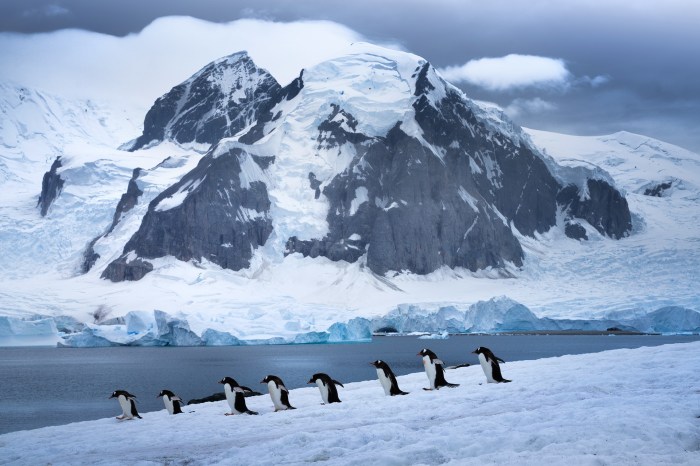
Planning a photography expedition to Antarctica requires careful consideration and organization to ensure a successful and safe journey. From choosing the best time of year to arranging permits and transportation, each step plays a crucial role in the overall planning process.
Best Time of Year to Visit
Antarctica experiences extreme weather conditions, with temperatures dropping significantly during the winter months. The best time to visit for optimal photography conditions is during the austral summer, which falls between November and March. This period offers longer daylight hours, milder temperatures, and the opportunity to witness unique wildlife and breathtaking landscapes.
Logistics and Organization
- Permits: Before embarking on your expedition, it is essential to obtain the necessary permits for visiting Antarctica. This includes permits for entering specific locations, wildlife photography, and environmental regulations.
- Transportation: Organizing transportation to Antarctica can be challenging due to its remote location. Most expeditions depart from Ushuaia, Argentina, and travel by ship across the Drake Passage. It is important to book your transportation well in advance to secure a spot on a reputable expedition vessel.
- Equipment and Gear: Packing the right photography equipment and gear is essential for capturing stunning images in Antarctica. Be sure to bring a sturdy tripod, a variety of lenses, extra batteries, and cold-weather gear to protect yourself and your equipment from the harsh Antarctic conditions.
- Safety Precautions: Antarctica is a harsh and unpredictable environment, so taking necessary safety precautions is crucial. Make sure to follow the guidelines set by your expedition leaders, carry emergency supplies, and be prepared for sudden changes in weather conditions.
Capturing Antarctic Wildlife
Antarctica is home to a wide array of fascinating wildlife, making it a paradise for photographers seeking to capture unique and extraordinary shots of animals in their natural habitat. From adorable penguins to majestic whales, the opportunities for wildlife photography in Antarctica are endless.
Encountering Antarctic Wildlife
- Emperor Penguins: These iconic Antarctic residents are a popular subject for photographers due to their striking black and white plumage and charming antics.
- Leopard Seals: Known for their sleek bodies and ferocious hunting skills, photographing leopard seals can provide a thrilling experience.
- Humpback Whales: The sight of these massive creatures breaching the icy waters of Antarctica is a sight to behold and capture on camera.
Tips for Wildlife Photography
- Patience is key when photographing wildlife in Antarctica, as animals may not always be cooperative or appear on cue.
- Respect the animals’ space and avoid disturbing their natural behaviors for the sake of a photo.
- Utilize a telephoto lens to capture close-up shots of wildlife without intruding on their habitat.
Ethical Considerations
- Always follow guidelines set forth by tour operators and conservation organizations to ensure minimal impact on the environment and wildlife.
- Avoid feeding or touching the animals, as this can disrupt their natural behaviors and cause harm in the long run.
- Remember that the well-being of the animals should always come first, even if it means missing out on a perfect shot.
Landscape Photography in Antarctica
Antarctica boasts some of the most stunning and surreal landscapes on Earth, offering a paradise for landscape photographers looking to capture the beauty of icy terrains, towering icebergs, and majestic glaciers. The pristine and untouched nature of Antarctica provides a unique canvas for photographers to unleash their creativity.
Techniques for Capturing Antarctic Landscapes
- Focus on composition: Utilize leading lines, patterns, and symmetry to create visually appealing shots.
- Use a wide-angle lens: Capture the vastness of the landscapes and make the viewer feel immersed in the scene.
- Experiment with different perspectives: Get down low or find higher vantage points to add depth and interest to your photos.
- Prioritize light and weather conditions: Take advantage of the soft, ambient light during the golden hours to add warmth and dimension to your images.
- Include scale: Incorporate elements like wildlife or research stations to provide a sense of scale and perspective in your photos.
Enhancing Landscape Photography with Natural Light
Natural light plays a crucial role in landscape photography, and in Antarctica, the ever-changing weather conditions can create stunning lighting effects that enhance your images. Be prepared to adapt to the unique lighting situations in Antarctica to capture the mood and atmosphere of the icy landscapes.
Remember to be patient and observe how the light interacts with the ice and snow to create compelling compositions.
Editing and Post-Processing Tips
Editing and post-processing play a crucial role in transforming good photographs into exceptional ones, especially when it comes to capturing the unique beauty of Antarctica. By applying the right techniques and using appropriate tools, photographers can enhance the raw images taken during the expedition, bringing out the true essence of this pristine landscape.
Post-Processing Techniques for Antarctic Photography
When it comes to editing photos taken in Antarctica, there are several key post-processing techniques that can help enhance the visual impact of the images. Some of these techniques include:
- Adjusting exposure and white balance to compensate for the extreme lighting conditions in Antarctica.
- Enhancing colors and contrast to make the icy landscapes and vibrant wildlife stand out.
- Removing distractions or unwanted elements from the frame to create a cleaner composition.
- Sharpening details and reducing noise to ensure crisp and clear images.
Tools and Software for Post-Processing in Antarctica
There are several tools and software programs that can aid photographers in editing and refining their photographs from Antarctica. Some popular choices include:
- Adobe Lightroom: Ideal for organizing, editing, and enhancing photos with a wide range of tools and presets.
- Adobe Photoshop: Perfect for more advanced editing techniques and creative adjustments to images.
- Nik Collection by DxO: Offers a variety of plugins for color correction, sharpening, and creative effects.
- Capture One: Known for its powerful RAW processing capabilities and advanced color editing tools.
Before and After Edits Showcase
Let’s take a look at some examples of before and after edits to demonstrate the impact of post-processing on Antarctic photographs:
Before: A raw image of a penguin against a snowy backdrop with muted colors and soft details.After: The same image after post-processing, with enhanced colors, sharper details, and improved contrast, bringing out the penguin’s vibrant feathers and the crisp texture of the snow.
Preserving Memories from the Expedition
After capturing stunning photographs during your Antarctica expedition, it’s important to find creative ways to showcase and share these memories with others. Creating a photography portfolio or book can serve as a beautiful documentation of your experience, allowing you to revisit those special moments whenever you want. Additionally, printing and displaying your photographs can provide tangible reminders of the unforgettable journey you had.
Creative Ways to Showcase and Share Photographs
- Utilize social media platforms to share your images with a wider audience, allowing friends and family to experience the beauty of Antarctica through your lens.
- Create an online gallery or website to display your best shots, providing a platform for others to admire and appreciate your work.
- Organize a photography exhibition or slideshow to showcase your photographs in a physical space, inviting others to immerse themselves in the captivating landscapes of Antarctica.
Importance of Creating a Photography Portfolio or Book
By compiling your best photographs into a portfolio or book, you can curate a collection that tells the story of your Antarctica expedition in a visually engaging way. This not only preserves your memories but also allows you to share your unique perspective and experiences with others.
Options for Printing and Displaying Photographs
- Print your images in high quality and frame them to create wall art that serves as a daily reminder of your incredible journey to Antarctica.
- Consider creating photo books or albums to organize and showcase your photographs in a professional and aesthetically pleasing manner.
- Explore different printing techniques such as canvas prints or metal prints to add a unique touch to your images and enhance their visual impact.
Lessons Learned and Personal Experiences
Embarking on a photography expedition to Antarctica was a once-in-a-lifetime experience that taught me valuable lessons and provided unforgettable personal experiences. The challenges faced during the expedition pushed me to grow as a photographer and explorer.
Challenges Faced and Overcoming Them
- Extreme Weather Conditions: Dealing with the harsh weather conditions in Antarctica, such as freezing temperatures and strong winds, required careful planning and preparation. I learned to protect my gear and myself while still capturing stunning shots.
- Limited Light: In Antarctica, the daylight hours are unique, with long periods of darkness or twilight. Adjusting to the limited light conditions challenged me to experiment with different settings and techniques to make the most of the available light.
- Remote Locations: Navigating the remote and isolated locations in Antarctica posed logistical challenges. By staying organized and flexible, I was able to access incredible landscapes and wildlife for my photography.
- Equipment Limitations: Carrying and using photography equipment in extreme cold conditions required extra care and attention. I learned the importance of having backup gear and batteries to ensure I didn’t miss any shot opportunities.
Insights and Tips for Aspiring Photographers
- Be Prepared: Research and plan extensively before your expedition to Antarctica. Understand the unique challenges and opportunities the continent presents for photography.
- Stay Flexible: Antarctica’s weather and conditions can change rapidly, so be prepared to adapt and adjust your plans on the go to make the most of every photographic opportunity.
- Protect Your Gear: Invest in high-quality protective gear for yourself and your equipment to withstand the extreme cold and wind conditions in Antarctica.
- Capture the Essence: Look beyond the landscapes and wildlife to capture the essence and spirit of Antarctica in your photographs. Embrace the vastness and beauty of the continent in your compositions.
Final Thoughts
Embark on a visual odyssey through the icy realms of Antarctica with this photography expedition. As the journey comes to an end, the memories captured will serve as timeless reminders of a once-in-a-lifetime experience in the white wilderness.
Popular Questions
What wildlife can photographers expect to see in Antarctica?
Photographers can expect to encounter penguins, seals, whales, and various other unique Antarctic fauna.
When is the best time of year to visit Antarctica for photography?
The best time to visit for optimal photography conditions is during the Antarctic summer, from November to March.
How can one enhance landscape photography in Antarctica?
Using natural light and weather conditions creatively can enhance landscape photography in Antarctica, capturing the vast icebergs and glaciers effectively.


